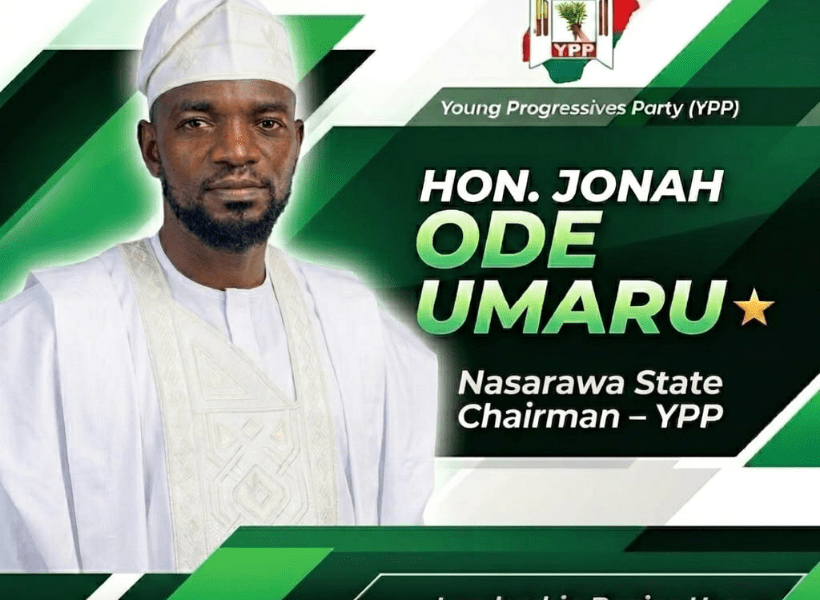
Comrade Jonah Ode Umaru: The Grassroots Strategist Repositioning YPP in Nasarawa

This post has already been read 2453 times!
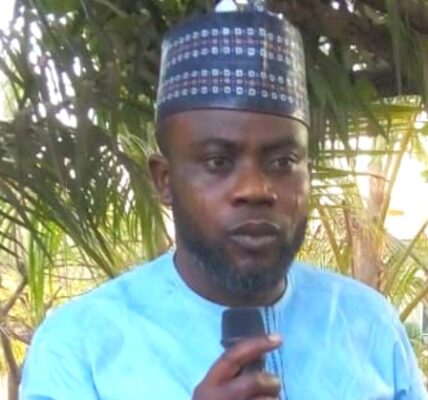
In the evolving political landscape of Nasarawa State, where grassroots engagement increasingly determines political relevance, one name steadily gaining attention is Jonah Ode Umaru. As the State Chairman of the Young Progressives Party in Nasarawa State, Comrade Jonah Ode Umaru represents a growing generation of political actors who are seeking to redefine leadership through community participation, social inclusion, and people-centered governance.
From the bustling communities of Karu to the ancestral landscapes of Kokona Local Government Area, Umaru’s story reflects the journey of a man shaped by both tradition and modern political realities. His emergence within the political structure of Nasarawa State has not been built on political inheritance or elite privilege, but on years of grassroots mobilization, community engagement, and sustained interaction with ordinary citizens.
A Childhood Rooted in Community Values
Born in Karu to the family of Mr. Umaru Agwada Ode and Mrs. Ladi Ode Umaru, Jonah’s roots trace back to Agwada Agbegyi in Kokona Local Government Area of Nasarawa State. While his ancestral identity remains firmly connected to Kokona, his formative years in Karu exposed him to the complexities of urban growth, youth aspirations, economic struggles, and the social diversity that define much of modern Nasarawa. 
Those early experiences would later shape his political philosophy. Observers close to him often describe him as a leader who understands both the realities of rural communities and the pressures facing rapidly expanding urban settlements. This dual exposure created a bridge between heritage and modernity, giving him an uncommon ability to communicate across different demographics.
Friends and associates say his upbringing instilled in him the values of discipline, humility, and communal responsibility. Long before becoming a political figure, he was already known among peers as someone deeply interested in issues affecting ordinary people, especially young persons searching for opportunities and representation.
The Making of a Grassroots Mobilizer
Unlike many politicians whose ambitions are often tied to electoral cycles, Umaru’s political journey reportedly began with community organizing and advocacy. His early involvement in mobilization activities was driven by a conviction that leadership should be built around service rather than personal gain.
Over the years, he developed a reputation as a bridge-builder capable of connecting local communities with broader political conversations. In several grassroots engagements across Nasarawa State, he became known for emphasizing political inclusion, youth participation, and accountability in governance.
Political analysts within the state believe this grassroots orientation became one of the key factors behind his rise within the Young Progressives Party. At a time when many young Nigerians were becoming increasingly disillusioned with traditional political structures, Umaru positioned himself as part of a new wave advocating participatory politics and issue-based engagement.
His supporters frequently point to his accessibility as one of his defining strengths. Unlike politicians who become distant after attaining office, they describe him as someone who maintains close contact with community stakeholders, youth groups, and local party structures.
Repositioning YPP in Nasarawa State
Since assuming leadership of the Young Progressives Party in Nasarawa State, Umaru has focused on expanding the party’s grassroots presence and strengthening its organizational framework across local government areas.
Under his watch, party stakeholders say efforts have intensified toward building a stronger youth-driven political movement capable of competing within the state’s increasingly dynamic political environment. His leadership style is often described as consultative, with emphasis on internal democracy and collective participation.
Political observers note that one of the major challenges facing emerging political parties in Nigeria is sustainability beyond election periods. Umaru’s approach appears centered on ensuring that party structures remain active at the ward and community levels rather than existing only during campaigns.
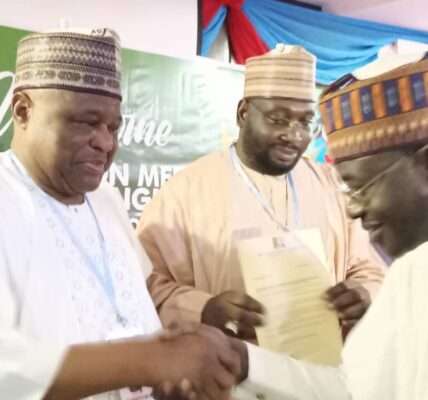
Associates within the party say he has consistently encouraged political education among young people, stressing that democracy thrives when citizens understand both their rights and responsibilities. Through mobilization meetings, strategic engagements, and local outreach programs, he has sought to position the YPP as a platform for inclusive political participation.
Voice for Youth and Community Development
At the heart of Umaru’s political philosophy is a strong belief in empowering young people and strengthening local communities. Those who have worked with him say he often speaks about the need to create opportunities for youth involvement not only in politics but also in economic development and civic leadership.
In a state with a rapidly growing youth population, such advocacy has resonated with many young voters seeking alternatives to conventional politics. His message frequently revolves around accountability, social justice, and equitable development.
Community leaders who know him also point to his commitment to peaceful coexistence in a state known for its ethnic and cultural diversity. By promoting dialogue and inclusive engagement, he has sought to encourage unity across different communities within Nasarawa State.
Leadership Beyond Politics
Beyond party administration, Umaru is widely regarded as a community-oriented leader with a passion for mentorship and social advancement. Associates say he believes politics should serve as a vehicle for solving societal problems rather than merely acquiring power.
His leadership style combines grassroots accessibility with strategic political thinking, making him one of the emerging figures to watch within Nasarawa’s evolving political space. While the state continues to experience changing political dynamics, many believe leaders like Umaru represent a growing shift toward younger, community-focused leadership.
As Nigeria’s democratic landscape evolves, the story of Jonah Ode Umaru reflects a broader national conversation about the future of political leadership — one increasingly shaped by grassroots participation, youth engagement, and the demand for accountable governance.
For many supporters within Nasarawa State, his journey is more than a personal political story; it is a reflection of the aspirations of a generation seeking a more inclusive and people-driven approach to leadership.
Comrade James Ezema is a journalist and Media Consultant and writes from Abuja via email: jamesezema@gmail.com and can be reached via WhatsApp: +2348035823617