
Interfaith Leaders Advocate New Federal Ministry to Tackle Rising Religious Intolerance

This post has already been read 2811 times!
Concerned stakeholders at an Interfaith Leadership Conference have called on the Federal Government to establish a Ministry of Interfaith or Religious Affairs as a strategic response to Nigeria’s deepening religious tensions and recurring faith-based conflicts.
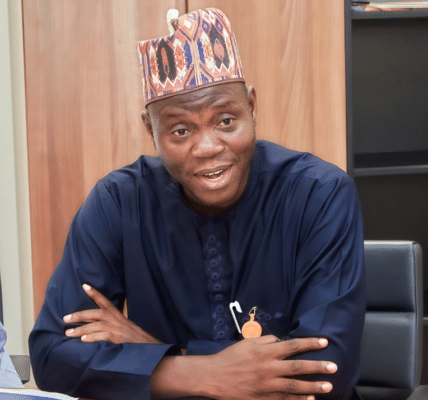
The conference was organised by the Mohawal Charity Foundation with support from the Nigeria Youth Futures Fund (NYFF) and held on Thursday at the International Conference Centre of Kwara State University (KWASU), Malete. The call formed the centrepiece of the keynote address delivered by Professor Isiaka Zubair Aliagan, Dean of the Faculty of Information and Communication Technology, KWASU.
Professor Aliagan cautioned that Nigeria’s continued reliance on reactive measures to manage religious crises has proved ineffective, stressing that unregulated preaching and the politicisation of religion have increasingly contributed to extremism, division, and social instability.
“Religion, aside from poor governance, has become one of the major challenges confronting Nigeria,” he said. “The country urgently needs a Ministry of Interfaith or Religious Affairs, manned by trained professionals, to regulate religious activities, license preachers, and foster peaceful coexistence across faith boundaries.”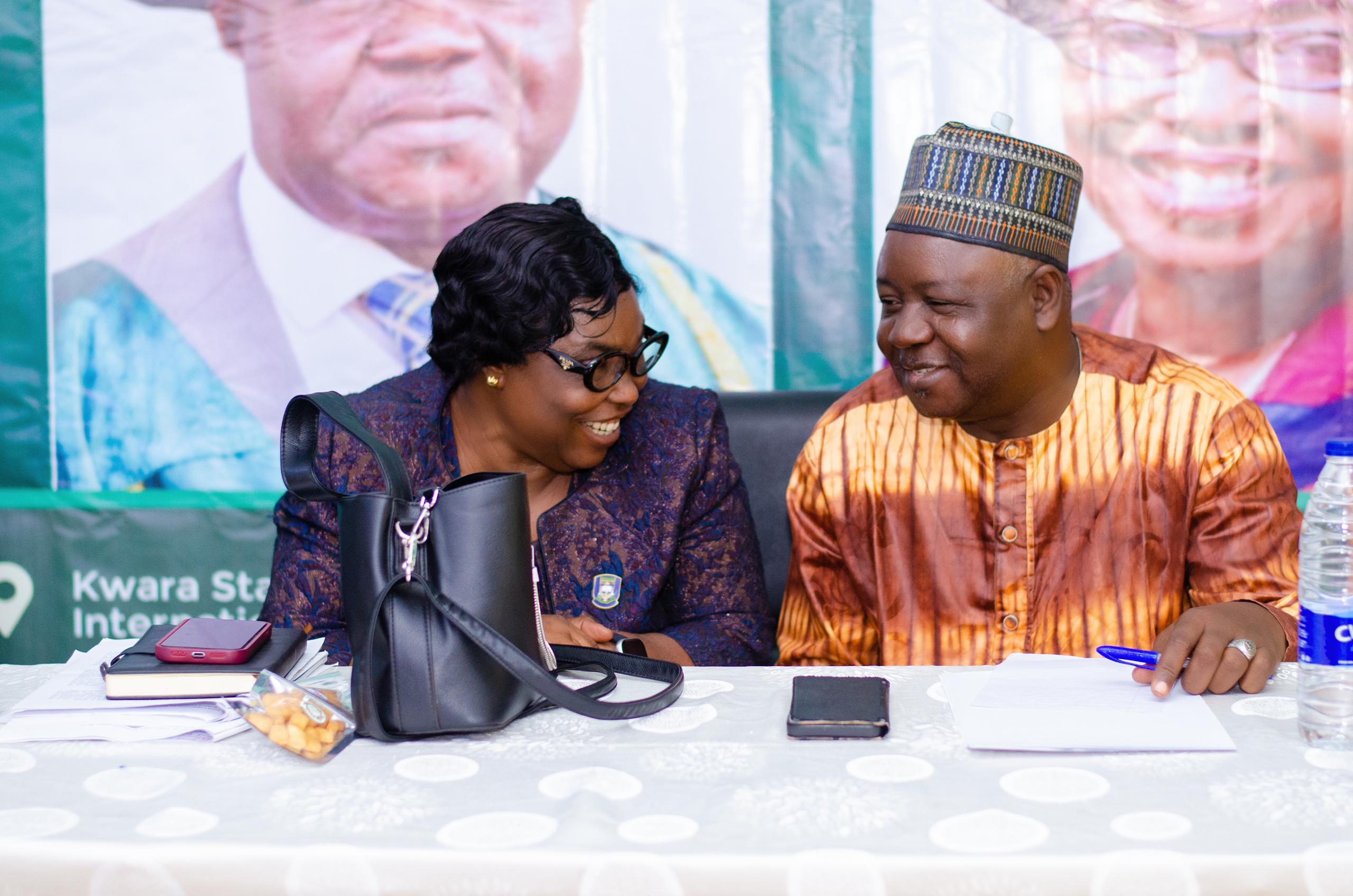
Drawing lessons from countries such as Malaysia and Saudi Arabia, Aliagan noted that structured oversight of religious affairs in those nations has helped curb extremist narratives and promote responsible religious practice. His recommendation was unanimously endorsed and adopted into the conference communiqué, making it a key policy outcome of the event.
The conference, themed “Beyond Belief Boundaries: Advancing Interfaith Understanding and Religious Tolerance in Nigerian Campuses,” convened students from several tertiary institutions, academics, facilitators, and civil society actors to examine practical approaches to strengthening peace and tolerance within Nigeria’s university system.
In his opening remarks, the Founder of Mohawal Charity Foundation, Lawal Muhammed Oluwasina, explained that the initiative was designed to address the growing spread of religious misinformation and intolerance among youths.
“Our campuses reflect what happens in the wider society,” Oluwasina said. “By instilling dialogue, tolerance, and mutual respect among students, we are investing in a more peaceful and united Nigeria.”
Providing an overview of the project, the Project Director of the foundation, Habeeb Opeyemi Daranijo, acknowledged the pivotal role of the Nigeria Youth Futures Fund in expanding the reach and impact of the organisation’s peacebuilding efforts.
“Support from NYFF has transformed our ideas into measurable outcomes,” Daranijo stated. “Through this partnership, we have engaged seven tertiary institutions across Kwara State and extended our interventions to the University of Abuja and Nasarawa State University.”
He explained that the initiative focuses on countering misinformation, empowering students as peace ambassadors, and promoting intergenerational peace, with the aim of equipping young people to manage religious diversity responsibly.
“We are deliberately building leadership capacity among students so that peace can be sustained within their institutions and communities,” he added.
Also speaking, one of the conference facilitators, Dr. Mary Taiye Daniel of the Department of Religion, University of Ilorin, emphasised that religious harmony is critical to Nigeria’s social cohesion and economic progress.
“No society can thrive where religion is manipulated to divide people,” she said. “Mutual respect and harmonious living across faiths are indispensable to Nigeria’s long-term peace and prosperity.”
Participants agreed that Nigerian universities, as microcosms of the broader society, must assume a leading role in shaping tolerant attitudes and countering extremist narratives among young people. Many called for the establishment of durable institutional frameworks to sustain interfaith engagement beyond occasional dialogue sessions.
The conference ended with a shared resolve to intensify advocacy for policy reforms, strengthen campus-based interfaith structures, and scale up youth-led peacebuilding initiatives nationwide. Organisers expressed optimism that with continued backing from partners such as NYFF and the implementation of recommendations like the proposed interfaith ministry, religion can be repositioned as a unifying force for national stability and cohesion.