NSIPA Pushes Unified Federal–State Action to Deepen Social Protection, Cut Poverty Nationwide

This post has already been read 2688 times!
The National Social Investment Programme Agency (NSIPA) has renewed its call for stronger collaboration between the federal and state governments, alongside broader multi-stakeholder partnerships, to strengthen Nigeria’s social protection system and accelerate sustainable poverty reduction.
The call was made at a Humanitarian Council Meeting on Tuesday, January 27, 2026, where NSIPA stressed the need to transform the country’s social protection architecture into a unified, data-driven framework that leaves no Nigerian behind.
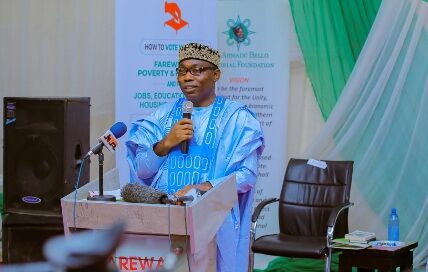
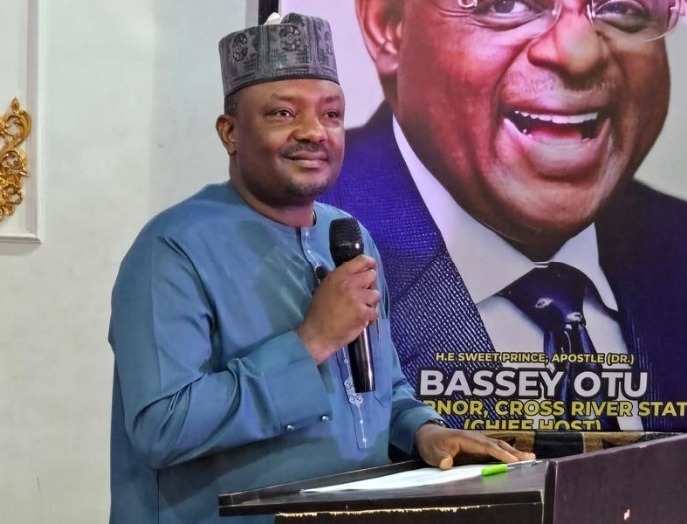
Speaking on behalf of the Acting National Coordinator and Chief Executive Officer of NSIPA, Mr. Hamza Baba, National Programme Manager of the Government Enterprise and Empowerment Programme (GEEP), underscored the importance of a holistic approach that blends federal policy reach with state-level agility, private sector innovation, and the support of development partners and civil society.
According to him, Nigeria must move away from fragmented and short-term interventions toward a coordinated system that delivers real impact. “We must move beyond ad-hoc relief and build a holistic social protection system that ensures every Naira is purposeful, transparent, and directed to those who need it most,” he said.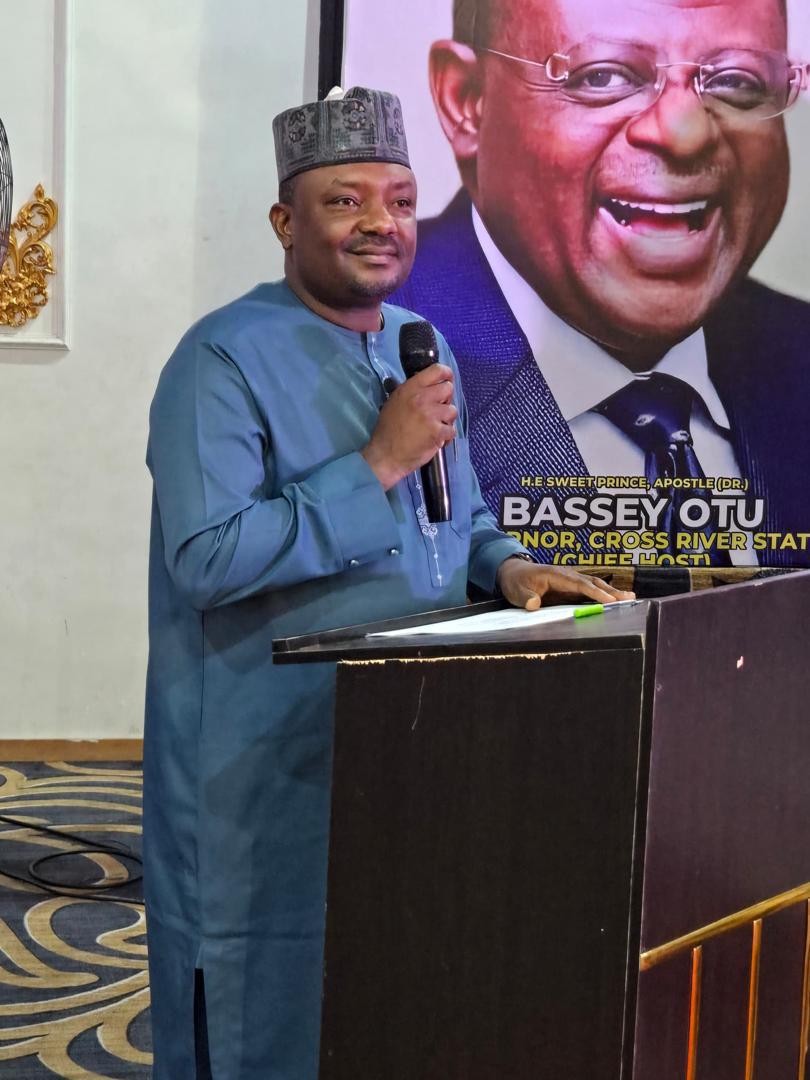
NSIPA explained that it is promoting a unified national approach aimed at reducing duplication of efforts, aligning mandates across tiers of government, and harmonizing state laws with the National Social Protection Policy (NSPP). As part of this drive, the agency said it would continue to strengthen its flagship programmes, including the National Home-Grown School Feeding Programme (NHGSFP), GEEP, N-Power, Conditional Cash Transfer (CCT), Government Venture Grant (GVG), and the National Social Safety Nets Coordinating Office (NASSCO).
To deepen impact at the sub-national level, NSIPA outlined several key initiatives, including the establishment of State Social Investment Offices, greater use of local government structures for community verification and monitoring, and the piloting of joint federal–state financing models. The agency also reaffirmed its commitment to partnerships with the private sector, development partners, civil society organisations, and traditional institutions.
Looking ahead, NSIPA said it aims to support more than 15 million beneficiaries annually by 2027 and contribute to the national target of lifting 100 million people out of poverty by 2030.
The agency called on all stakeholders to join what it described as a national effort to institutionalize an integrated, accountable, and sustainable social protection system for Nigeria.
The press release was signed by Attari M. Hope Anipr, Deputy Director and Head of Information and Public Relations, NSIPA.