How Court Threw Out Treason, Terrorism Charges Against ‘Abuja 11’ in Landmark #EndBadGovernance Ruling

This post has already been read 2974 times!
In a historic judgment delivered on Wednesday, Justice Emeka Nwite of the Federal High Court, Abuja, struck out all treason and terrorism charges against 11 #EndBadGovernance protesters, popularly known as the “Abuja 11,” and formally acquitted them of all allegations.
The ruling brings to an end a 16-month ordeal that saw the protesters face three grave charges carrying the death penalty, following their arrest during the #EndBadGovernance demonstrations of August 2024. The decision comes just days ahead of planned nationwide protests by the Nigeria Labour Congress (NLC) scheduled for Wednesday, December 17, 2025.
The Abuja 11 were unlawfully arrested during the protests and subsequently subjected to torture and unconstitutional detention by the police for up to 24 days.
They were later remanded in prison for weeks until bail conditions were negotiated and met for each defendant. More than a year after their arrest, several of their personal belongings remain in police custody, while some of their bank accounts are yet to be unblocked. Authorities are also still holding seized items, including the entire stock of books belonging to Iva Valley Books.
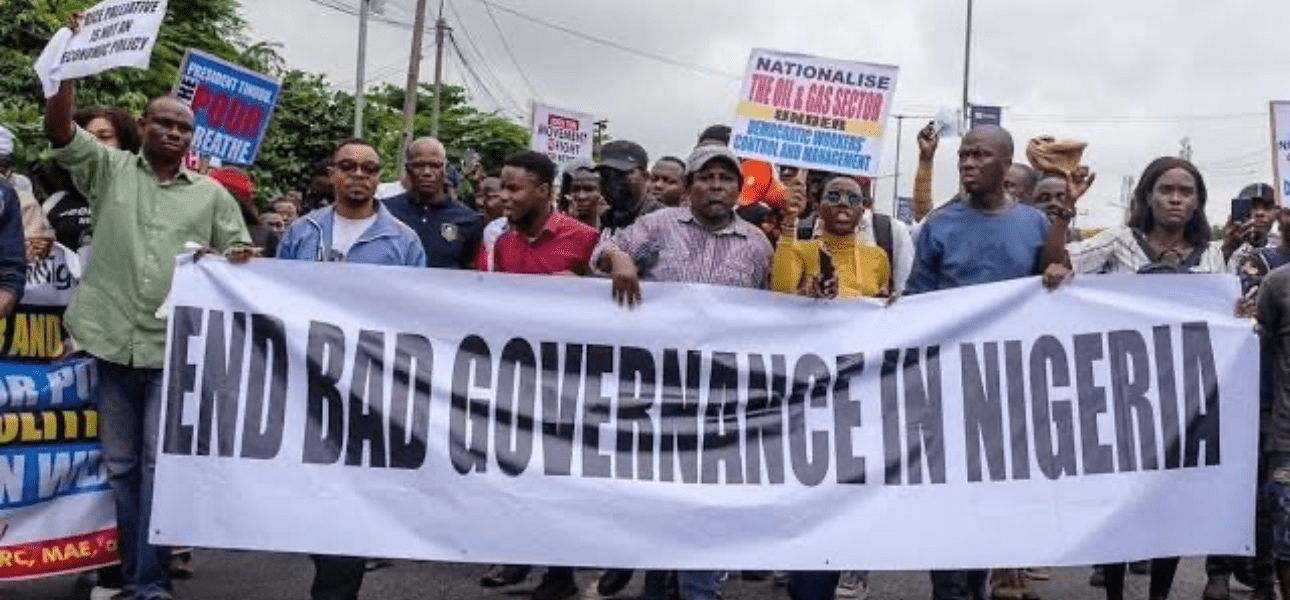
Throughout their trial, the defendants were portrayed by supporters as citizens who stood up for the collective rights of Nigerians, demanding decent wages, affordable education, fair distribution of palliatives, and an end to exploitative economic policies. For these demands, they were charged with treason and terrorism, accusations widely criticised as excessive and politically motivated.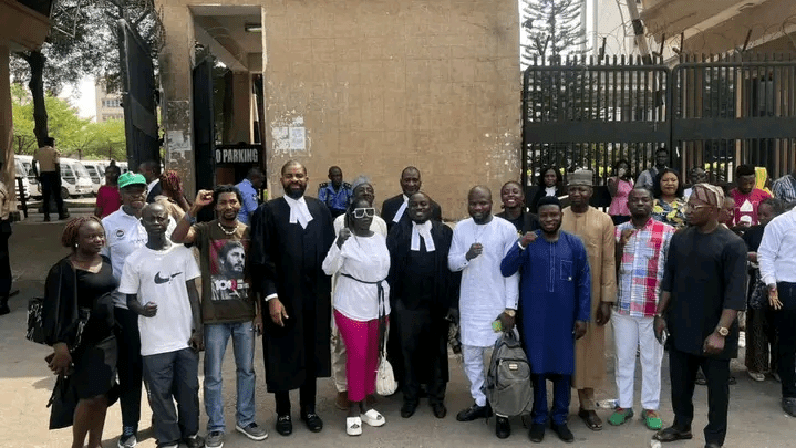
The Abuja 11 case formed part of a broader nationwide crackdown in which 76 protesters were arrested and charged with similar offences. Among them were 32 minors aged between 14 and 17, who were detained for months and arraigned in clear violation of the Child Rights Act. The appearance of some of the children in court—visibly malnourished and unwell, with several collapsing during arraignment—sparked widespread public outrage.
Civil society organisations, legal practitioners, and the Nigerian Bar Association strongly condemned the arrests and detentions, describing them as gross violations of human rights and constitutional safeguards. Following sustained public pressure, President Bola Tinubu ordered the release of the detained minors and directed that charges against them be dropped.
The Abuja 11 case itself was plagued by prolonged adjournments, with multiple court sittings failing to proceed over the past year. These delays deepened the sense of injustice, leaving the defendants to endure prolonged uncertainty and the lasting psychological trauma of detention. On June 25, 2025, the presiding judge appeared after three earlier absences, only for another sitting scheduled for October 9, 2025, to be missed. During this period, the original prosecuting counsel was dismissed over allegations of corruption, and a new prosecutor was assigned, who sought additional time to familiarise himself with the case.
Justice Nwite warned that any further delay would result in dismissal of the charges. At the final hearing on December 10, 2025, the prosecution failed to appear in court, prompting the judge to strike out all charges against the defendants, in line with his earlier directive.
At a previous sitting, the new prosecutor had gone beyond procedural limits by publicly labelling the defendants as criminals who deserved punishment, remarks that further reinforced claims of political interference and persecution. Observers say such statements underscored that the trial was less about justice and more about silencing dissent.
With Wednesday’s ruling, the court has affirmed that the Abuja 11 are not criminals but citizens who exercised their democratic right to protest. Their acquittal is being widely hailed as a victory for civil liberties, democratic accountability, and the rule of law.
The judgment is expected to restore public confidence ahead of the forthcoming NLC-led nationwide protests over underfunding of health and education, as well as in solidarity with health workers who have been on indefinite strike at federal institutions since November 14. For many Nigerians, the ruling stands as a powerful reminder that protest is not a crime and that justice, though delayed, can still prevail.