
ICRC Seeks Cooperation With Nigeria in Resolving 24,000 Requests Of Missing Persons

This post has already been read 22863 times!
The International Committee of Red Cross ICRC has sought the collaboration of the Ministry of Humanitarian Affairs, Disaster Management and Social Development in resolving 24,000 requests of missing persons made by Nigerian families.
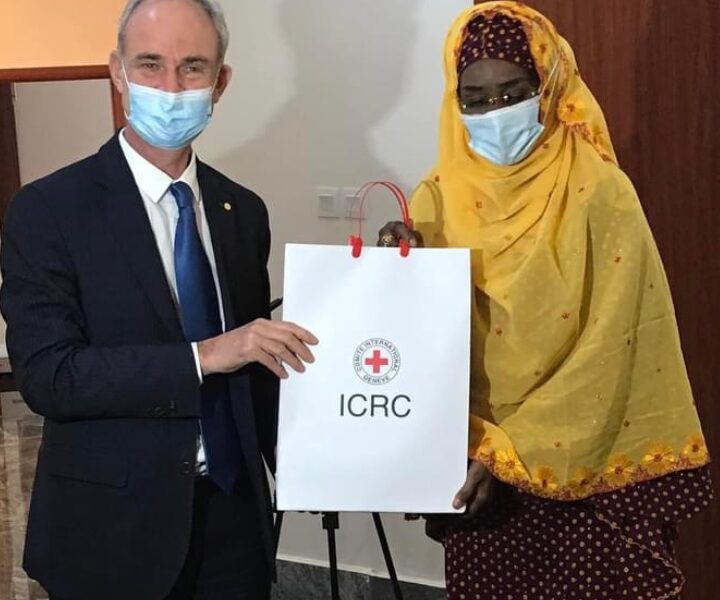
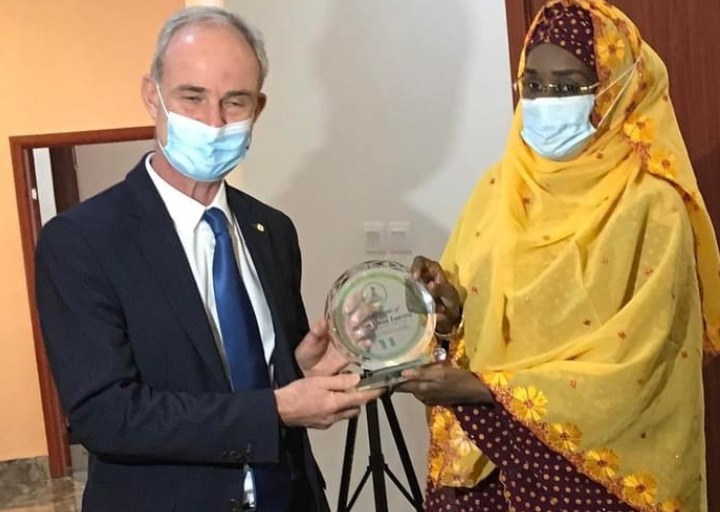
The Vice President of the ICRC Gilles Carbonnier made this known when he paid a courtesy call on the the Minister, Sadiya Umar Farouq on Tuesday in Abuja.
Mr Carbonnier who stated that a total of 2.2m Displaced persons were domiciled in the North East also offered the services of its Central Tracing Agency in finding missing persons during disasters as well as the forensic management of the dead during emergencies.
 “We have received 24,000 requests from Nigerian families who came to us to ask for news of their daughters or sons who are unaccounted for. We seek to work with different entities to progress in the resolution of these missing cases.
“In Africa, this accounts for half of the case load of missing persons on the continent.
“We also have strong expertise in forensic science on how to deal with what we call dead body management in cases of emergencies, to help in the dignified management of the dead and also ensure that people don’t go missing during emergencies and disasters.
“We celebrated the 100th anniversary of our Central Tracing Agency that deals with identifying missing persons and reconnecting them with their families.
“In that framework, I think that it will be good for Nigeria to have an inter-ministerial mechanism where these cases of missing persons can first be registered in a central data base.
“We also seek the domestication or implementation of traditions of the Kampala convention and see how we can assist in finding feasible solutions that are consistent with the principles of the Kampala Conventions”.
In her response, the Minister appreciated the International Committee of Red Cross for its numerous humanitarian works in Nigeria especially in the North East and their provision of support and succor for the displaced persons affected by disaster.
“The main focus here apart from the humanitarian intervention is is to provide durable solutions to these vulnerable groups.
“The Federal government has approved the National Policy on Internally Displaced Persons which also includes working towards the domestication of the Kampala Convention. We are working with the National Assembly and relevant authorities.
“The ministry is keen on working with the ICRC on missing persons to learn from your expertise on addressing these issues. There are a lot of issues of unaccompanied minors in the IDP camps who have lost their parents and we don’t even know their identities.
“This is something the government is working on to see how these unaccompanied minors can be identified. We can collaborate with your Agency to trace their identities and find lasting solutions to missing persons in emergency situations.
“The forensic science of managing mass fatalities during disasters is very important as well and I am sure that the National Emergency Management Agency will key into this forensic support. These are areas that the ministry is very much interested in”.
The IRCS delegation also included Bruno Raymond, Protection Coordinator ICRC Geneva, Mona Sadek, Deputy Regional Director for Africa and Head of delegation ICRC Abuja Yann Benton.