TCN Targets Market Efficiency, Grid Stability as Abdulaziz Begins Second Term

This post has already been read 21174 times!
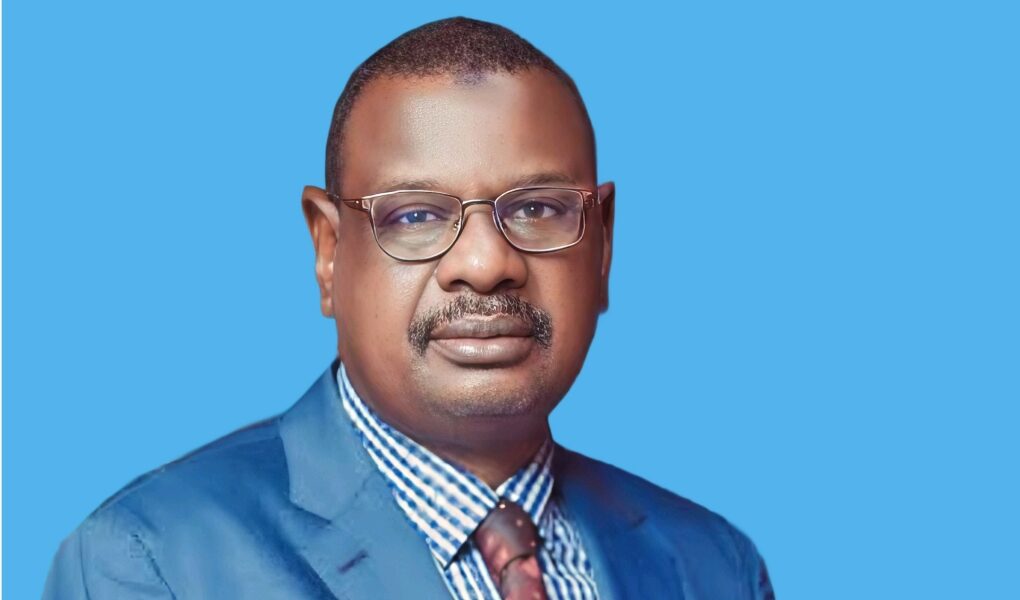
The Managing Director and Chief Executive Officer of the Transmission Company of Nigeria (TCN), Engr. (Dr.) Sule Ahmed Abdulaziz, has outlined an ambitious, performance-driven roadmap for his second tenure, with a strong emphasis on strengthening grid reliability, improving bulk power delivery, and enhancing the overall efficiency of Nigeria’s electricity market.
Speaking at a Town Hall Meeting with staff at the TCN Corporate Headquarters in Abuja on April 23, 2026, shortly after his reappointment by President Bola Tinubu, Abdulaziz positioned the new term as a strategic phase focused on consolidating gains and translating infrastructure expansion into measurable outcomes for businesses and consumers.
“This reappointment is not just a continuation. It is a call to greater responsibility,” he stated. “It aligns directly with the Renewed Hope Agenda, which prioritises practical, measurable, and sustainable reforms that will significantly improve power delivery and ensure the electricity sector becomes viable, reliable, and beneficial to all Nigerians.”
From a market perspective, Abdulaziz highlighted the steady expansion of Nigeria’s transmission capacity as a key enabler of economic productivity. He disclosed that grid wheeling capacity has grown from about 5,000 megawatts in 2015 to over 8,700 megawatts currently—an increase driven by targeted investments in transmission infrastructure and execution of high-voltage projects nationwide.
For energy-intensive sectors and industrial clusters, this growth signals improved capacity for bulk electricity evacuation and distribution, a critical factor in reducing production costs and enhancing competitiveness.
The TCN boss further pointed to strategic partnerships with multilateral and bilateral development institutions as a cornerstone of the company’s expansion drive. He cited ongoing interventions supported by the World Bank, African Development Bank, Japan International Cooperation Agency, and Agence Française de Développement as instrumental in scaling up transmission capacity and modernising grid infrastructure.
“These programmes have enabled us to strengthen the grid across multiple regions, ensuring that our transmission network keeps pace with generation growth and evolving market demands,” he noted.
Providing operational insights, Abdulaziz revealed that TCN installed over 82 transformers within 23 months, reflecting an aggressive capital deployment strategy. He added that in the second half of 2025 alone, 15 units of 300MVA transformers were deployed across key transmission nodes including Lagos, Osogbo, Jos, Gombe, Kano, Asaba, Benin, and Abuja corridors—locations critical to commercial and industrial activity.
In addition, multiple high-capacity transformers have been commissioned across substations in Ajah, Egbin, Enugu, Onitsha, Kano, Abuja, and Benin, contributing to improved load management, reduced transmission bottlenecks, and enhanced grid resilience.
Addressing longstanding concerns about grid instability, Abdulaziz reported measurable improvements arising from targeted technical interventions. These include the rehabilitation of ageing infrastructure, upgrades to protection systems, and better operational coordination across regional control centres.
“Our protection systems have been strengthened, system disturbances have reduced, and operational coordination across regions has improved significantly,” he said, noting that these improvements are critical to reducing downtime and ensuring consistent power supply to distribution companies and end-users.
For the business community, the implications are significant. A more stable transmission network reduces the risk of system collapses, enhances supply predictability, and supports long-term investment planning—key variables for sectors such as manufacturing, telecommunications, and services.
Abdulaziz also addressed human capital development within the organisation, describing TCN’s workforce as one of the most technically skilled in the sector despite public criticism. He attributed recent achievements to staff resilience, professionalism, and institutional knowledge.
“In this new phase, we intend to go a step further. Infrastructure growth must now translate into what matters most—stable, reliable, and consistent bulk electricity supply delivered efficiently to distribution load centres,” he said.
Earlier, the Executive Director, Human Resources and Corporate Services, Mrs. Abiodun Afolabi Fadahunsi, described the Town Hall Meeting as a strategic engagement platform designed to strengthen internal alignment and foster transparency.
“In a sector as critical as power transmission, it is essential that staff remain informed, aligned, and fully engaged to meet evolving industry demands,” she stated.
Also contributing, the Executive Director, Transmission Service Provider, Engr. Dr. Oluwagbenga Ajiboye, called for sustained commitment from employees to achieve the administration’s objectives, while the Executive Director of Finance and Accounts, Mr. Chuks Ochije, assured staff of management’s commitment to timely payment of benefits.
As Abdulaziz begins his second tenure, stakeholders across Nigeria’s energy value chain will be watching closely. The success of his results-driven agenda is expected to play a pivotal role in shaping the efficiency, stability, and investment attractiveness of the country’s power sector—an essential foundation for broader economic growth.