
Avoid National Shutdown, CSOs Warn FG, Governors, Labour as Minimum Wage Standoff Deepens

This post has already been read 2599 times!
ABUJA — A coalition of civil society organisations has urged the Federal Government, state governors and organised labour to embrace dialogue and compromise to avert a nationwide strike over the implementation of the new national minimum wage, warning that another economic shutdown could have devastating consequences for millions of Nigerians.
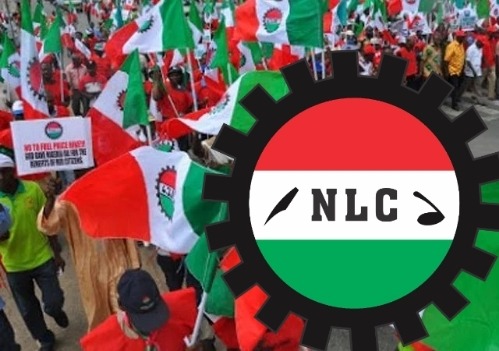
The Coalition of Civil Society Groups for Peace, Security, Good Governance, Equity, and Justice issued the warning in a statement released in Abuja, expressing concern over the deepening deadlock between the Nigeria Labour Congress (NLC), the Trade Union Congress (TUC), the Federal Government and state governments over the wage implementation.
The statement, signed by the coalition’s National Coordinator and Convener, Comrade James Okoronkwo, described the looming industrial action as a threat to Nigeria’s already fragile economy, stressing that ordinary citizens would bear the greatest burden if the dispute degenerates into a nationwide shutdown.
According to the coalition, while Nigerian workers deserve a fair and living wage that reflects prevailing economic realities and rising inflation, many state governments have also raised concerns over their financial capacity to implement the new salary structure.
The group, however, maintained that industrial action should not replace constructive engagement, insisting that continued negotiations offer the most sustainable solution to the impasse.
It appealed to the leadership of the NLC and TUC to suspend any planned strike and instead intensify discussions with government authorities, recommending a state-by-state negotiation framework that reflects the unique fiscal realities of individual states.
The coalition equally challenged governors to demonstrate transparency and fiscal discipline before citing inadequate revenue as justification for delaying implementation of the new wage.
It called on all state governments to immediately embark on comprehensive biometric payroll audits to identify and eliminate ghost workers allegedly siphoning billions of naira from government payrolls every month.
According to the coalition, the savings from eliminating payroll fraud, coupled with a significant reduction in the cost of governance and unnecessary political appointments, would provide additional resources for the payment of workers’ salaries.
The civil society groups further urged governors to prioritise the welfare of civil servants over political expenditures, arguing that workers remain the backbone of effective governance and public service delivery.
On the Federal Government, the coalition proposed the establishment of a temporary Wage Implementation Intervention Fund to support states experiencing genuine financial difficulties.
It recommended that access to such intervention should be tied to strict conditions, including verifiable evidence that beneficiary states are paying the approved minimum wage, while ensuring that the funds are insulated from political misuse.
The coalition also urged the Federal Government to assume a more active mediatory role in resolving the dispute rather than watching the disagreement escalate.
Calling for national solidarity, the group appealed to all stakeholders to put Nigeria’s economic stability above partisan interests and avoid actions capable of plunging the country into another period of economic paralysis.
It disclosed that its recommendations would be forwarded to the Nigeria Governors’ Forum (NGF) and the leadership of organised labour, while reaffirming its readiness to facilitate transparent and impartial dialogue aimed at achieving a mutually beneficial resolution.
The coalition expressed confidence that with prudent financial management, political commitment and sustained negotiations, the new national minimum wage can be implemented without disrupting economic activities or worsening the hardship faced by Nigerians.