Gombe Town Hall Unites Nigeria’s Religious Leaders in Fresh Push for Freedom of Belief

This post has already been read 21071 times!
In a nation as vast and diverse as Nigeria, where faith shapes identities, influences public life and anchors community values, the right of every citizen to freely believe — or not believe — has again taken centre stage. That sacred principle formed the backbone of a landmark Town Hall Meeting held recently in Gombe by Faith and Freedom Africa (FFA), a non-governmental organisation leading a nationwide campaign to strengthen Freedom of Religion or Belief (FoRB).
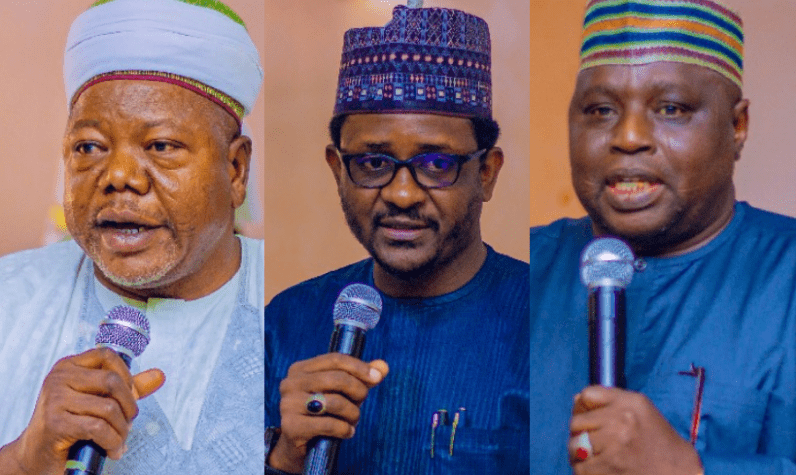
The gathering drew 46 carefully selected participants from across different sectors of society, in a powerful symbol of unity. Government officials, legal practitioners, imams, pastors, traditional rulers, women leaders and youth advocates sat side by side, bound by a shared commitment to build a more tolerant, peaceful and inclusive Nigeria.
Welcoming the participants, the Country Representative of Faith and Freedom Africa, Felix Samari, delivered a compelling message that resonated throughout the hall. He stressed that Freedom of Religion or Belief is not a privilege reserved for a select few, but an inherent and non-negotiable right guaranteed to every Nigerian citizen. Anchored in international human rights treaties, reinforced by regional frameworks and protected by Section 38 of the Nigerian Constitution, the right, he said, safeguards individuals in matters of conscience, worship and belief, shielding them from coercion, discrimination and intimidation. 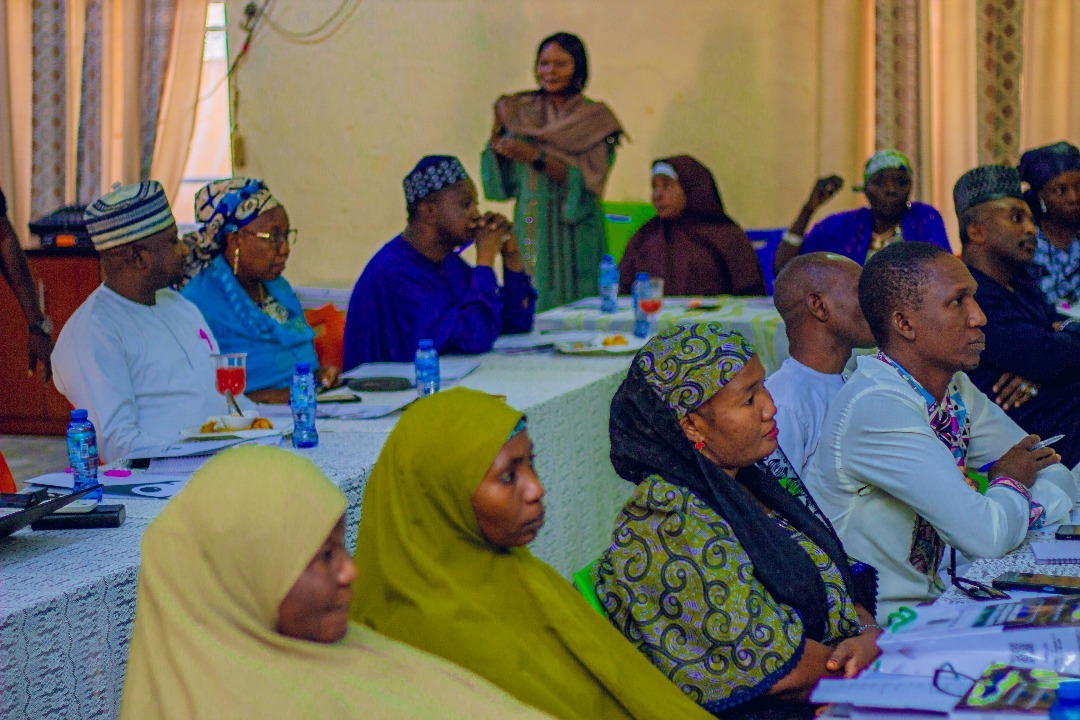
According to Samari, when this fundamental right is protected, communities thrive, trust deepens and societies flourish. But when it is violated or suppressed, the consequences are severe — division widens, fear takes root and people become vulnerable to manipulation by those who exploit faith for personal or political gain. He reminded the gathering that the Town Hall was not simply another academic exercise, but a moral and civic responsibility to learn, to reflect and to act.
The Gombe engagement is part of a broader national initiative by Faith and Freedom Africa, taking the message of tolerance and peaceful coexistence across Nigeria’s geopolitical zones. Before Gombe, similar high-level engagements were held in Jalingo, Kaduna and Makurdi, where community leaders openly discussed the real-life challenges facing religious harmony in their areas.
Earlier in the year, the organisation also convened Christian and Muslim leaders at both the National Mosque and the National Ecumenical Centre in Abuja — two national symbols of faith and unity. Those encounters further reinforced the belief that Nigeria’s stability is deeply linked to how its diverse religious communities live, interact and respect one another.
In Gombe, discussions brought to light the lingering tensions that persist at grassroots levels. Participants spoke frankly about growing mistrust among neighbours of different faiths, the spread of misinformation on social media and the dangerous impact of inflammatory statements by some who claim to be religious or community leaders. Across all groups, a firm consensus emerged that peace cannot exist where intolerance is allowed to fester.
A recurring theme throughout the meeting was the enormous moral influence wielded by religious and traditional leaders. Faith, participants agreed, shapes behaviour and thinking. Messages delivered on the pulpit or in traditional councils can either calm or inflame communities. The meeting therefore challenged leaders to use their authority to promote tolerance, moderation, respect and a shared sense of humanity. Homes, schools, mosques, churches and traditional spaces, they emphasised, must become centres of learning, empathy and mutual respect.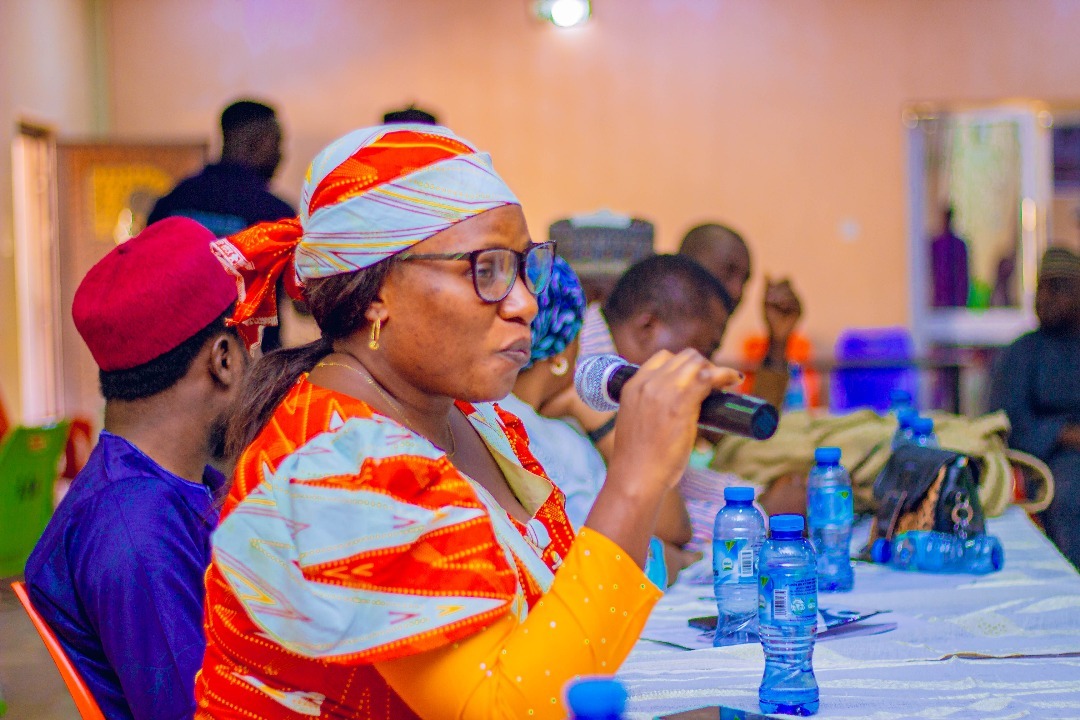
Participants also made a strong commitment that the lessons from the Town Hall would not end in the conference room. They pledged to take the message of peaceful coexistence back to their communities — into markets, classrooms, neighbourhood associations and rural settlements that are frequently left out of formal policy discussions but often bear the brunt of religious tensions. Real and lasting change, they agreed, must begin at the grassroots.
Beyond community action, a direct call was also made to government at all levels. Participants stressed that peace requires institutional backing and political will. Whenever violations of Freedom of Religion or Belief occur, whether through discrimination, unequal access to opportunities, harassment or violence, the state must respond swiftly, decisively and fairly. Protecting citizens, regardless of their religious affiliation, is not just a constitutional obligation but a moral one.
For Faith and Freedom Africa, the Gombe Town Hall represents another significant step in an ongoing journey. The organisation reaffirmed its commitment to continue building bridges between communities, deepening dialogue and fostering a national culture rooted in dignity, respect, justice and inclusion for people of all beliefs and convictions.
In a country where faith is both deeply personal and inherently communal, Freedom of Religion or Belief is no longer seen as just a human rights concept — it is a practical strategy for peace, unity and national survival. And as the movement gathers momentum from Gombe to Abuja and beyond, one truth is becoming ever clearer: Nigeria’s future depends on its ability to embrace diversity, protect fundamental rights and allow every belief to thrive in safety and freedom.
Faith and Freedom Africa’s journey continues. And with every dialogue, every handshake across faith lines, and every commitment to harmony, the nation moves one step closer to becoming not just a land of many religions, but a home where all are free to believe.