
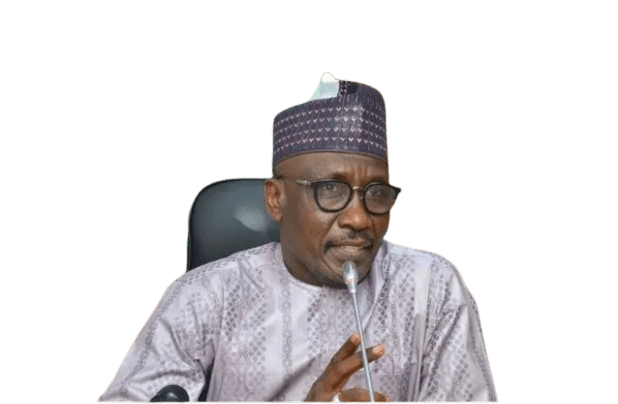
‘Senate Probes End Without Jail Terms’ — CNPP, CSOs Say, Demand Forensic Audit of NNPCL Under Mele Kyari

This post has already been read 2261 times!
The Conference of Nigeria Political Parties (CNPP) and more than 75 civil society organisations (CSOs) operating under the umbrella of the Coalition of National Civil Society Organisations (CNCSOs) have declared that legislative probes in Nigeria rarely lead to real accountability, warning that corruption investigations by the National Assembly of Nigeria since the country’s return to democratic rule in 1999 have largely ended without prosecution or jail terms for culpable public officials.
The organisations made this assertion in a joint press statement signed by CNPP Deputy National Publicity Secretary, James Ezema, and CNCSOs National Secretary, Ali Abacha, in response to the ongoing Senate investigation into alleged ₦210 trillion accounting discrepancies in the books of the Nigerian National Petroleum Company Limited (NNPCL) during the tenure of its former Group Chief Executive Officer, Mele Kyari.
In the statement, the groups reiterated their long-held position that Nigeria’s legislature has shown “a troubling lack of commitment” to ensuring that corruption uncovered through investigative hearings translates into meaningful prosecution and imprisonment of those responsible.
According to them, the latest Senate investigation into the financial records of the national oil company has again brought into sharp focus the longstanding concerns about accountability in Nigeria’s petroleum sector.
While welcoming the decision of the Senate to summon former officials of the Nigerian National Petroleum Company Limited to explain the alarming financial figures, the organisations warned that Nigerians have witnessed numerous similar investigations over the past two and a half decades that ended without any conclusive outcome.
ABUJA BUSINESS REPORTS NEWSPAPER & MAGAZINE reports that the CNPP and the CNCSOs noted that legislative probes since 1999 have frequently generated headlines and public outrage but rarely produced judicial consequences.
The groups explained that the pattern has become painfully predictable: once a corruption scandal emerges, the legislature convenes hearings, summons public officials, and promises investigative reports, only for the matter to quietly fade away without any meaningful accountability.
They insisted that the current investigation must not follow the same trajectory.
According to the statement, the CNPP and its allied civil society organisations have for years raised serious concerns about the financial management of the national oil company—formerly the Nigerian National Petroleum Corporation (NNPC), which later transformed into the Nigerian National Petroleum Company Limited.
These concerns, the groups said, particularly relate to the tenure of Mele Kyari, who served first as Group Managing Director of the NNPC and later as Group Chief Executive Officer of the NNPCL before he was removed from office.
They stressed that the financial dealings of the company under his leadership, as well as those of the management team that served during the period, have remained subjects of public concern.
Among the issues repeatedly raised by the CNPP and CNCSOs are allegations of opaque accounting practices and questionable financial disclosures involving subsidy payments, crude oil transactions and operational expenditures of the national oil company.
The organisations also expressed persistent concern about the billions of dollars reportedly spent on the rehabilitation of Nigeria’s state-owned refineries.
Particular attention was drawn to the controversial rehabilitation of the Port Harcourt Refinery, which they said had repeatedly been presented to Nigerians as undergoing comprehensive revitalisation but ultimately turned into what they described as a monumental disappointment.
According to the groups, trillions of naira and substantial foreign-currency expenditures were reportedly committed to the rehabilitation of the Port Harcourt Refinery and other federal government refineries across the country without delivering sustainable refining capacity for Nigerians.
They further alleged that the Nigerian public was repeatedly misled through official statements and public communications suggesting that the refineries had been successfully rehabilitated, when in reality the facilities remained largely non-functional.
The statement noted that the situation eventually compelled the new management of the Nigerian National Petroleum Company Limited to shut down the controversial refinery operations shortly after assuming office.
Despite the scale and gravity of these allegations, the organisations lamented that no public official has been successfully prosecuted or jailed for any wrongdoing associated with the projects.
Beyond the refinery controversy, the CNPP and CNCSOs also raised concerns about what they described as an apparent disparity in the approach of Nigeria’s anti-corruption agencies when dealing with politically exposed persons aligned with the government compared to perceived political opponents.
They noted that both the Economic and Financial Crimes Commission (EFCC) and the Independent Corrupt Practices and Other Related Offences Commission (ICPC) have demonstrated commendable zeal in prosecuting certain politically sensitive cases, including arresting suspects, opposing bail applications, and even re-arresting individuals after courts grant them bail.
However, the groups said the same level of urgency appears absent in cases involving powerful public officials whose actions allegedly caused enormous economic damage to the country.
They recalled that some members of the immediate past management of the Nigerian National Petroleum Company Limited, including Mele Kyari, were reportedly invited and briefly detained by the Economic and Financial Crimes Commission following their removal from office.
According to them, the detention lasted barely a couple of days, and since then the Nigerian public has not received any comprehensive report about the findings of the investigation.
The organisations said this silence contrasts sharply with the aggressive prosecutorial posture often adopted against political figures outside the ruling All Progressives Congress (APC), many of whom are sometimes subjected to prolonged detention while investigations continue.
They warned that such disparity creates the dangerous impression that anti-corruption enforcement in Nigeria may be selective and politically motivated.
In view of these concerns, the CNPP and the coalition of civil society organisations called for decisive presidential intervention to ensure accountability in the management of the country’s petroleum resources.
They urged Bola Ahmed Tinubu, President of the Federal Republic of Nigeria, to issue an executive order establishing an independent judicial commission of inquiry into the financial dealings of the Nigerian National Petroleum Company Limited.
The proposed investigation, they said, should cover the period from 2015 to date, noting that the administration of the late Muhammadu Buhari had previously ensured the judicial seizure of assets and recovery of stolen funds from past officials of the NNPC prior to 2015.
According to the groups, the inquiry should include a comprehensive forensic audit of the finances, contracts, crude oil transactions and subsidy claims of the national oil company from 2015 to the present.
They further demanded a transparent investigation into all funds allocated for the rehabilitation of Nigeria’s refineries, including the Port Harcourt Refinery and other federal refinery facilities across the country.
The organisations also insisted that the actions and decisions of the management of the Nigerian National Petroleum Company Limited under Mele Kyari should be thoroughly examined, including the roles played by directors and senior officials who served during the relevant period.
They added that the findings of the forensic audit and judicial investigation must be made public and followed by the immediate prosecution of any officials found culpable.
According to the statement, Nigeria cannot continue to tolerate a situation in which allegations involving trillions of naira generate widespread public outrage but end without consequences.
The organisations concluded that if the administration of Bola Ahmed Tinubu is genuinely committed to fighting corruption, the most powerful actors in the country’s most strategic economic institution must be subjected to the same rigorous scrutiny applied to ordinary citizens and political opponents.
They stressed that only a transparent, impartial and credible investigation can restore public confidence in the management of Nigeria’s petroleum resources.
Until such an independent judicial inquiry is established and a comprehensive forensic audit conducted, the groups warned that legislative hearings alone will remain insufficient to address the deep-rooted concerns surrounding the operations of the Nigerian National Petroleum Company Limited.