This post has already been read 259 times!
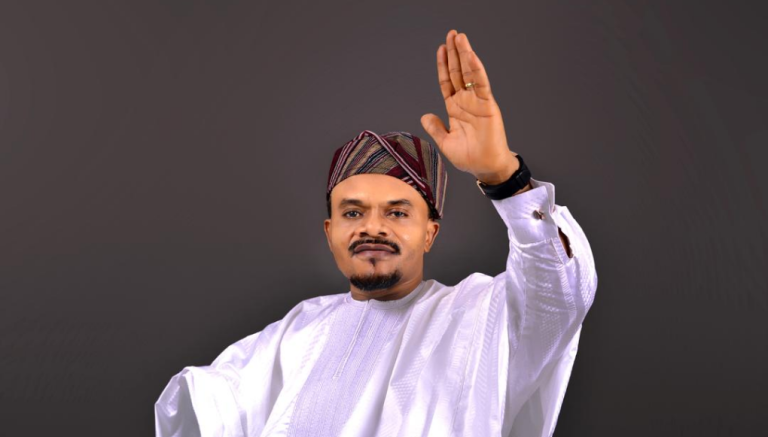
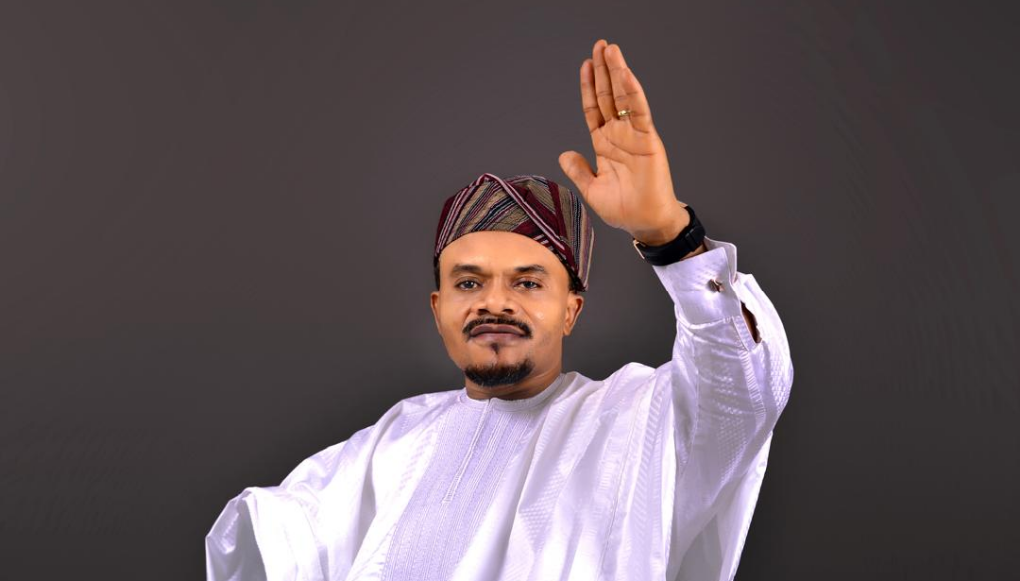
The Nigeria Democratic Congress (NDC) candidate for Oredo Federal Constituency in the January 16, 2027 National Assembly elections, Hon. Efosa Omo-Osagie, has unveiled a 15-point legislative agenda proposing far-reaching reforms in governance, public expenditure, infrastructure, healthcare, education and economic empowerment.
The manifesto, which has attracted commendations from sections of the Edo public, party leaders and constituents, was presented during a series of consultation meetings with political stakeholders, community leaders, support group coordinators, women organisations, youth representatives, party strategists and faith-based groups.
Popularly known as Mighty Man, Osagie said his proposed legislative interventions were designed to address critical challenges affecting ordinary Nigerians, particularly the absence of basic social amenities, poverty, unemployment, inadequate healthcare facilities and economic hardship.
The consultations, which commenced in Benin City and culminated in engagements with senior Edo NDC caucus stakeholders, South-South and national party leaders in Abuja at the weekend, preceded the planned constitution of his campaign council, which he said would be announced shortly.
Presenting his agenda under six thematic areas, the Oredo candidate explained that he intended to dedicate his first tenure in the House of Representatives to sponsoring and pursuing carefully researched bills capable of delivering tangible benefits to his constituency and the country.
A major component of his proposals focuses on infrastructure development, particularly public markets. He proposed legislation mandating the installation of firefighting equipment, boreholes, solar power systems and police desk offices in every public market across Nigeria.
He also proposed the establishment of waste-to-wealth refuse incineration facilities in major markets across the states to convert waste into electricity, thereby addressing environmental challenges while contributing to energy generation.
On the cost of governance, Osagie proposed legislation to abolish pensions and other post-tenure financial benefits for elected public office holders, except former Presidents and Vice Presidents.
He equally proposed outlawing the establishment and public funding of offices of First Ladies, First Sons and First Daughters at all levels of government, describing them as unconstitutional structures that have become channels for unexplained expenditure of public funds.
The candidate also wants government sponsorship of religious pilgrimages abolished across the federation, maintaining that religious observances should be treated as private individual pursuits rather than public financial obligations.
Under his economic empowerment proposals, Osagie intends to sponsor legislation abolishing ticketing levies imposed on children aged 18 and below engaged in petty trading and foot hawking to support their families.
Other proposals include regulation of residential, commercial and industrial rents, monthly social security allowances for severely physically challenged Nigerians, and educational, vocational and business equipment grants for young persons living with disabilities.
He also pledged personal intervention in supporting football and athletics talent discovery programmes to create opportunities for gifted youths in Oredo and Edo State to pursue local and international sporting careers.
In the area of accountability, the NDC candidate proposed mandatory half-year and end-of-year audit reports covering statutory budget allocations, revenues, grants and other financial receipts of government establishments.
He further proposed legislation criminalising DNA-established paternity fraud, providing for appropriate penalties against offenders and compensation for affected spouses and children.
Another major proposal seeks to make Chapter Two of the Nigerian Constitution justiciable, compelling governments to fulfil their obligations in providing primary healthcare, basic education, environmental protection and housing assistance for vulnerable families.
On healthcare delivery, Osagie proposed a 24-hour emergency home medical service, comprising ambulances and medical personnel, to attend to critically ill senior citizens, invalids and other vulnerable Nigerians, stabilising them before transportation to appropriate medical facilities.
His education reform proposals include making History, Human Rights, Non-Governmental Organisations and Humanitarian Foundations compulsory subjects in primary and secondary schools.
He also proposed legislation prohibiting the deployment of National Youth Service Corps members to areas under terrorist and bandit occupation or threats, with penalties for officials who disregard security advisories.
Additionally, his proposed bill seeks to prohibit discriminatory school fees and unequal access to educational facilities based on non-indigene status, while exempting scholarship schemes specifically reserved for indigenes by state governments and local councils.
Speaking during his Abuja engagements, Osagie devoted particular attention to what he described as the growing misuse of public resources through unofficial political offices, especially those attached to the spouses and children of elected officials.
“The concept of First Lady at all tiers of governance across Nigeria has become a local and international embarrassment. Their unexplained and unlawful access to billions of taxpayers’ money and in-your-face so-called empowerment programmes and self-serving private causes have become a flagrant drain of public resources and cancer on the conscience of democratic civilization,” he said.
He expressed concern that the practice had expanded to include offices of First Sons and First Daughters, warning that the trend represented an unacceptable extension of publicly funded political privileges.
“It is a shame how this misnomer in Nigeria’s public governance has now degenerated to new forms. It is to the extent that we now have letterheads bearing Office of the First Son, First Daughter of the President and Governors of various states,” he lamented.
The candidate insisted that Nigeria could no longer afford governance structures that impose additional financial burdens on taxpayers without clear constitutional justification.
“Nigeria cannot continue like this. Sometimes we’ve got to say enough is enough, and I think this is the time,” Osagie declared.
He explained that the proposed bills would be backed by legislative research and pursued through collaboration with colleagues in the National Assembly, expressing determination to transform his manifesto into enforceable laws.
Meanwhile, the Federal High Court in Benin, in a unanimous judgment delivered on October 27, 2026, declared Osagie the lawful candidate of the NDC for Oredo Federal Constituency following several months of proceedings involving multiple aspirants.
The judgment provides judicial confirmation of his candidacy ahead of the January 16, 2027 National Assembly elections.
Osagie’s 15-point agenda, which combines public-sector reforms with social protection, grassroots infrastructure and human capital development, is expected to form the central focus of his campaign as he seeks to represent Oredo Federal Constituency in the House of Representatives.